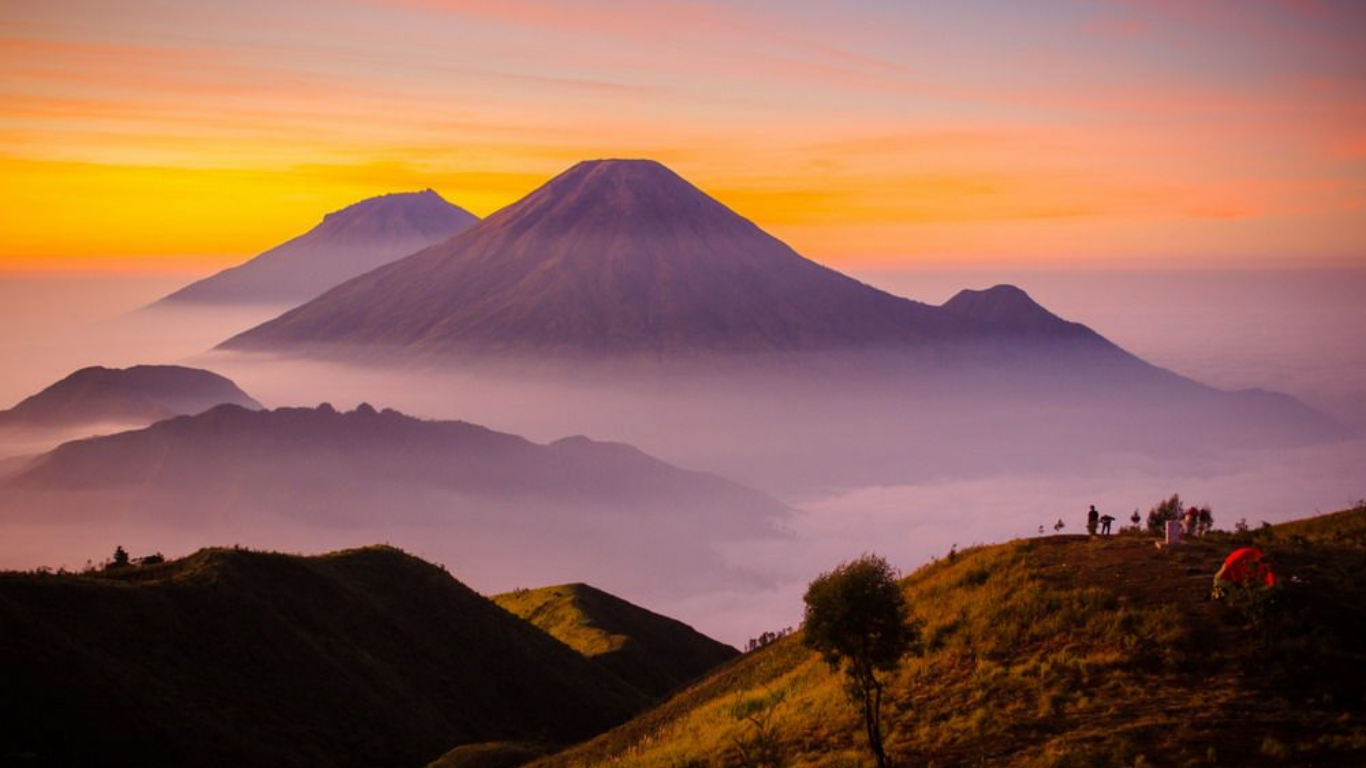

Planning to climb Mount Rinjani is not like planning an ordinary holiday. Standing at 3,726 meters above sea level, Mount Rinjani is one of Indonesia’s most spectacular trekking destinations, offering dramatic landscapes, challenging trails, cold nights, steep climbs, and unforgettable sunrise views.
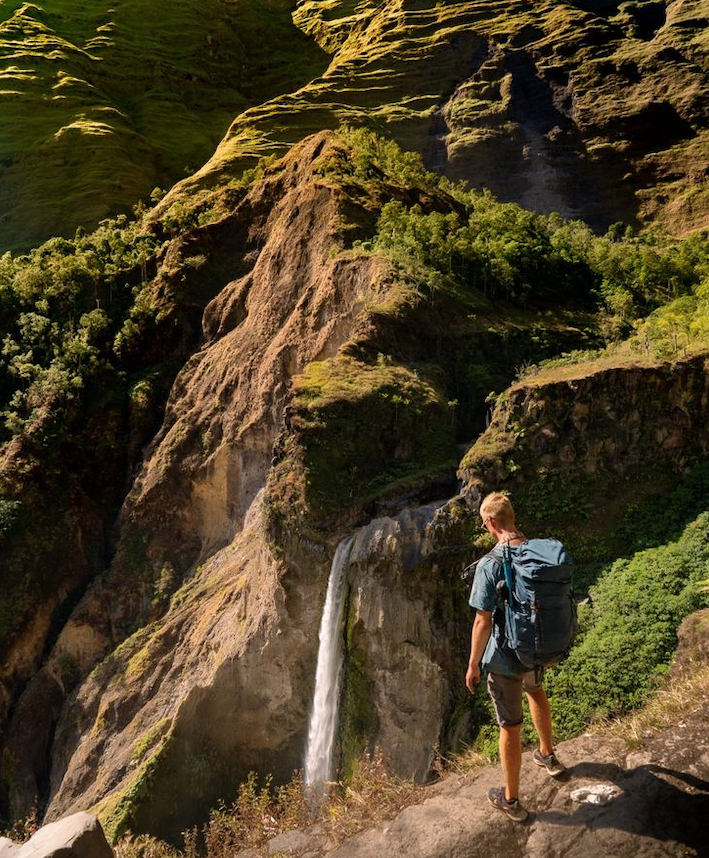
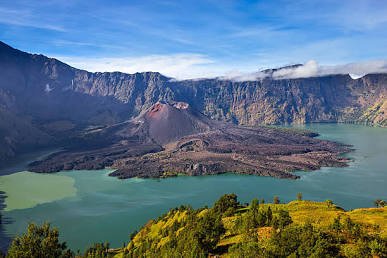
From the green foothills of Sembalun and Senaru to the dramatic Rinjani Summit, the turquoise waters of Segara Anak Lake, and the natural hot springs around the caldera, every part of a Mount Rinjani trekking adventure offers a different experience.
But the key to enjoying your Rinjani trekking experience is preparation.
Whether you are planning a short 2 Days 1 Night Rinjani Trekking trip, a challenging Rinjani Summit Trekking adventure, or want more time to explore the mountain with a 3 Days 2 Nights Rinjani Trekking Adventure, preparing your body, equipment, mindset, and travel plans properly can make a huge difference.
This complete Mount Rinjani trekking guide covers everything you need to know before your adventure, including Rinjani trekking preparation, Rinjani trekking equipment, what to pack for Mount Rinjani, Rinjani trekking difficulty, training tips, weather conditions, and what to expect on the trail.
Mount Rinjani is beautiful, but it is also a physically demanding mountain. For anyone planning Rinjani trekking in Lombok, understanding the difficulty of the trail before starting is essential. The challenge does not come from altitude alone. Depending on your chosen Rinjani trekking route, you may encounter long uphill sections, loose volcanic sand, rocky terrain, steep descents, strong sunlight during the day, and cold temperatures at night.
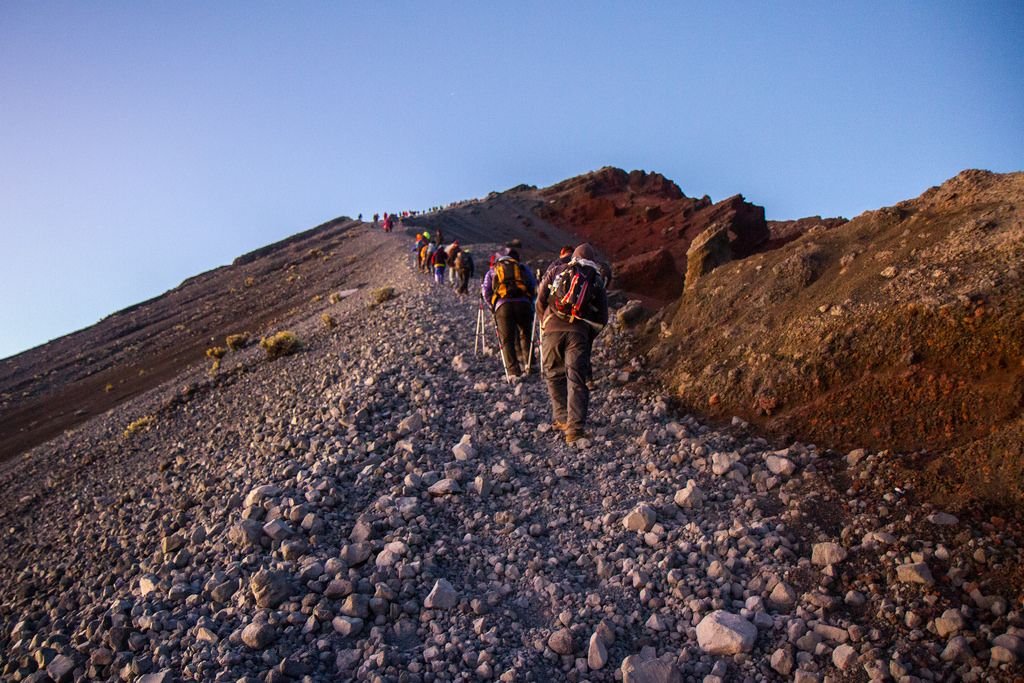
The famous climb from Sembalun Crater Rim toward the Rinjani Summit is particularly challenging. The trail becomes steep and covered with loose volcanic gravel, meaning that sometimes you may take two steps forward and slide one step back. That is why good Rinjani trekking preparation is more important than simply being excited about reaching the summit.
A successful Rinjani trek is not about being the fastest hiker. It is about managing your energy, walking at a comfortable pace, staying hydrated, eating properly, and knowing when to rest. If this is your first time trekking Mount Rinjani, understanding your own fitness level and choosing the right itinerary can make your adventure much more enjoyable.
Before preparing your equipment, decide what kind of Rinjani trekking experience you want.
Different trekking durations offer different experiences, and the best Rinjani itinerary depends on your available time, fitness level, and whether your main goal is reaching the summit or exploring the mountain.
A 2 Days 1 Night Rinjani Trekking itinerary is a good option for travelers who have limited time in Lombok but still want to experience Mount Rinjani. This 2D1N Rinjani Trekking option is particularly popular with travelers who want to focus on a specific part of the mountain rather than spending several nights on the trail.
Depending on the package you choose, you can focus on the Rinjani Summit or enjoy a trek toward the Segara Anak Lake area.
For travelers whose main goal is sunrise from the summit, a 2 Days 1 Night Rinjani Summit Trekking package is designed around the summit experience. The final summit climb is demanding, but reaching the top and watching sunrise over Lombok can be one of the most rewarding moments of your Rinjani trekking adventure. If you prefer a more relaxed experience focused on the scenery around the mountain rather than reaching the highest point, a 2 Days 1 Night Rinjani Trekking to the Lake option may be more suitable.
Before booking a 2 Days 1 Night Rinjani Trek, make sure you understand the route, physical difficulty, trekking hours, camping location, inclusions, and destinations included in your chosen package.
If you have more time, a 3 Days 2 Nights Rinjani Trekking Adventure gives you more opportunity to experience Mount Rinjani without trying to fit everything into a very short itinerary.
A 3D2N Rinjani Trekking itinerary can include several of Rinjani’s iconic destinations, including Sembalun, Rinjani Summit, Segara Anak Lake, the natural hot spring, and the Crater Rim.
This longer Rinjani trekking itinerary is particularly attractive for travelers who want more than just a summit photo.
You have additional time to experience the landscape, rest at camp, explore the volcanic caldera, and enjoy different sides of Mount Rinjani.
For travelers looking for a more complete Rinjani trekking tour, a 3-day itinerary can provide a better balance between trekking, sightseeing, and rest.
You do not need to be a professional athlete to climb Rinjani, but you should prepare your body.
Good Rinjani trekking fitness preparation can make a significant difference, especially if you are planning the Rinjani Summit trekking route.
Ideally, start training several weeks before your trek.
Focus on activities that improve cardiovascular endurance and leg strength, such as:
If you live somewhere without mountains, stairs are one of the easiest ways to prepare for Mount Rinjani hiking.
Try gradually increasing the duration and intensity of your workouts instead of doing one extremely hard workout shortly before your departure.
Your goal is to arrive in Lombok feeling fit and confident, not exhausted from last-minute training.
For Rinjani trekking beginners, consistent training is usually more useful than trying to complete an intense workout immediately before the trek.
One mistake many first-time trekkers make is training without carrying anything.
During your Mount Rinjani trekking adventure, you may need to carry personal essentials such as water, snacks, a jacket, camera equipment, and other small items.
Practice walking with a comfortable daypack before your trek.
Keep it light and avoid unnecessary items. Every extra kilogram becomes noticeable after several hours of walking uphill.
If your Rinjani trekking package includes porter services, you can normally leave heavier camping equipment with the porter while keeping your essential personal belongings with you.
Always confirm the porter arrangement with your trekking organizer before departure.
Your footwear can make or break your Rinjani trekking experience.
Choose hiking shoes or trekking boots that are:
Do not wear brand-new shoes for the first time on Mount Rinjani.
A pair that feels comfortable for 30 minutes in a shop may cause blisters after several hours on the trail.
It is also a good idea to bring quality hiking socks and an extra pair in case your feet become wet.
Good Rinjani trekking shoes are particularly important for the rocky and loose terrain found on sections of the summit route.
One of the biggest challenges on Mount Rinjani is the changing temperature.
During the daytime, the lower parts of the mountain can feel hot, especially when you are walking under direct sunlight.
At night, temperatures around the higher camps can become very cold, particularly when the wind is strong.
Therefore, dress in layers.
A practical Rinjani trekking clothing system can include:
Layers allow you to adjust your clothing as the temperature changes.
Do not underestimate the cold simply because Lombok is a tropical island. Higher elevations and early-morning summit climbs can feel significantly colder than the coastal areas of Lombok.
Hydration is essential during Rinjani trekking.
You will spend many hours walking, often under strong sunlight, and dehydration can quickly make the trek feel much harder.
Drink water regularly rather than waiting until you become extremely thirsty.
You can also consider bringing electrolyte drinks or electrolyte tablets, particularly if you sweat heavily.
However, avoid carrying excessive amounts of water if your trekking operator provides water during the journey.
Before your Rinjani trekking tour, ask your trekking team about the water supply, refill points, and how much water you should carry during each section of the route.
Knowing what to pack for Mount Rinjani is one of the most important parts of your trekking preparation.
You do not need to bring your entire suitcase to the mountain.
A good Rinjani trekking packing strategy is to separate your belongings into two categories.
Items You Need During the Trek
Keep these in your personal daypack:
Items You May Leave With Your Porter
Depending on your Rinjani trekking package and porter arrangement, heavier belongings can usually be stored with the trekking team.
These may include:
Always confirm the luggage and porter arrangement with your trekking organizer before departure.
Food is fuel.
Do not start a long trekking day after skipping breakfast.
Choose meals that provide a combination of carbohydrates, protein, and healthy fats. During the trek, small snacks can help maintain your energy.
Useful Rinjani trekking snacks include:
The most important thing is to eat before you become completely exhausted.
Small and regular snacks are often easier to manage during a long climb than one large meal.
Proper nutrition is an important part of Rinjani trekking preparation, especially when your itinerary includes long trekking hours.
The sun can be surprisingly strong on the mountain.
You may spend several hours walking in exposed areas with very little shade, particularly on parts of the Sembalun Rinjani trekking route.
Bring:
Apply sunscreen before starting the trek and reapply during the day.
Sun protection becomes particularly important around Sembalun, where parts of the trekking route are open and exposed.
A headlamp is one of the most useful pieces of equipment for a Rinjani trek. If your itinerary includes the Rinjani Summit, you will normally begin the summit push during the early morning hours while it is still dark.
A headlamp allows you to keep both hands free while walking over uneven terrain. Bring spare batteries or make sure your rechargeable headlamp is fully charged before starting.
Your phone flashlight can work as an emergency backup, but it should not be your primary light source during a Rinjani Summit trek.
Your exact packing requirements may depend on the Rinjani trekking route and trekking package, so always confirm what is already provided by your trekking organizer.
The Mount Rinjani trekking difficulty depends heavily on the route and itinerary.
The Rinjani Summit route is particularly demanding because of the steep final ascent and loose volcanic terrain.
A shorter itinerary may require you to cover challenging sections within a limited amount of time, while a longer itinerary allows more time to rest and explore.
For first-time trekkers, proper Rinjani trekking preparation is more important than previous mountain experience.
You do not need to be an expert climber. You need to be physically prepared, mentally patient, properly equipped, and willing to follow your guide's instructions.
For Rinjani trekking beginners, understanding the difficulty before booking is important. Choose an itinerary that matches your fitness level rather than choosing a package simply because it is shorter or cheaper.
The best time to trek Mount Rinjani depends on the official trekking season, weather, and current mountain conditions.
On the current trekking website, the listed Rinjani packages operate during the April–October period.
However, weather and mountain conditions can still change within the trekking season.
For this reason, always confirm your exact Rinjani trekking date and current operational conditions before traveling to Lombok.
If you are planning a Rinjani trekking tour from Lombok, it is also a good idea to leave some flexibility in your travel schedule in case weather or operational conditions affect your trekking plans.
Yes, beginners can trek Mount Rinjani, provided they are reasonably fit and properly prepared.
However, beginners should not underestimate the difficulty. The Rinjani Summit route can be physically demanding, especially the final ascent.
Good Rinjani trekking preparation, proper equipment, and an experienced guide can help make the experience more manageable.
It depends on what you want to experience.
A 2 Days 1 Night Rinjani Trekking itinerary is suitable for travelers with limited time, while a 3 Days 2 Nights Rinjani Trekking itinerary provides more time to experience the mountain and its major landscapes.
For an organized trekking experience, having an experienced local Rinjani trekking guide is highly recommended.
A guide can help with navigation, pacing, safety, and communication with the trekking team.
Wear comfortable trekking clothes and use layers so you can adjust to changing temperatures.
Bring warm clothing for the higher elevations and early-morning summit climb.
Good trekking shoes, warm layers, gloves, and weather protection are important parts of your Rinjani trekking gear.
Yes. Although Lombok has a tropical climate, temperatures at higher elevations can feel very cold, particularly at night and before sunrise.
This is why warm clothing should always be included in your Rinjani trekking packing list.
The final section toward Rinjani Summit is one of the most physically demanding parts of the trek because of steep terrain and loose volcanic sand.
A slow, controlled pace is usually more effective than trying to climb quickly.
Absolutely.
Walking, stair climbing, running, cycling, and leg-strength exercises can help prepare your body for the physical demands of Mount Rinjani hiking.
Start your Rinjani trekking training several weeks before your trip and gradually increase your fitness level.
Your Rinjani trekking packing list should include comfortable trekking shoes, warm clothing, waterproof protection, a headlamp, sunscreen, water, snacks, personal medication, and other essential personal items.
The exact requirements depend on your itinerary and what your trekking operator provides.
There is no single best Rinjani trekking route for everyone.
The Sembalun route is popular for travelers who want to experience the summit, while itineraries involving Segara Anak Lake offer a different experience focused on the volcanic landscape and lake.
Your best route depends on your fitness level, available time, and trekking goals.
A Mount Rinjani trek is more than simply reaching the highest point.
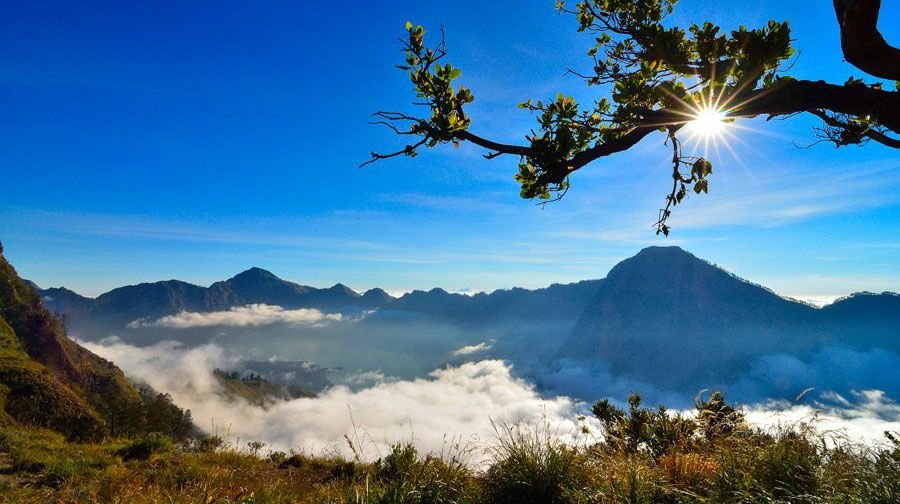
It is waking up before sunrise and walking through the darkness toward the summit. It is watching the landscape change as you climb higher. It is standing above the clouds, seeing Segara Anak Lake from the crater rim, sharing stories around camp, and discovering that you are capable of more than you expected.
The better you prepare, the more you can enjoy those moments.
Choose an itinerary that matches your fitness and schedule, pack carefully, train before your trip, respect the mountain, and listen to your trekking team.
Whether you choose a 2 Days 1 Night Rinjani Trekking adventure or a 3 Days 2 Nights Rinjani Trekking experience, proper preparation will help you make the most of your time on the mountain.
If you are ready to start planning your Rinjani trekking adventure in Lombok, explore our 2 Days 1 Night Rinjani Trekking options or take more time to discover the mountain with our 3 Days 2 Nights Rinjani Trekking Adventure.
For a safe, comfortable, and memorable Mount Rinjani trekking experience, discover your next adventure with Majestic Rinjani.