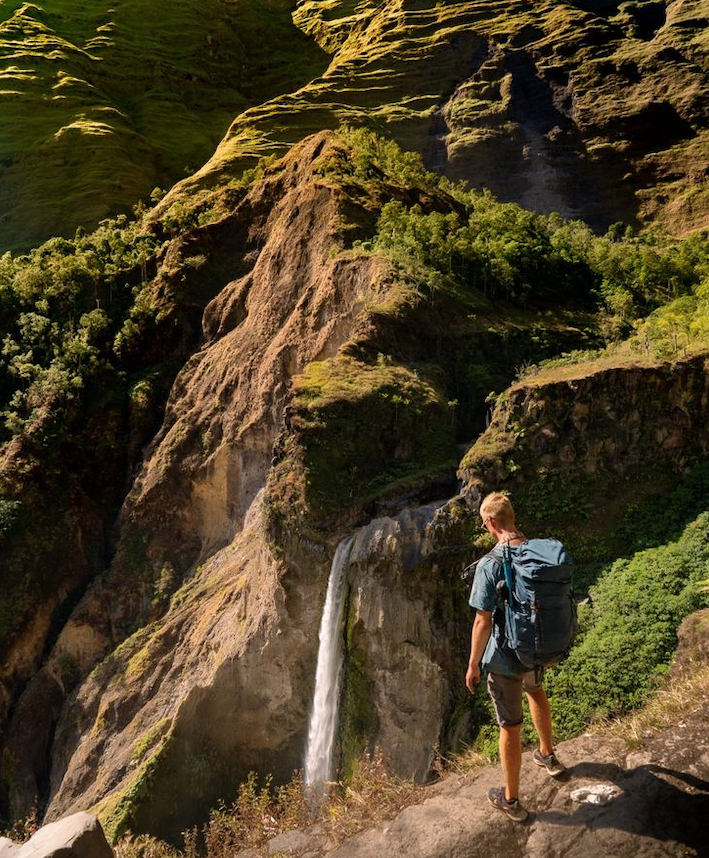
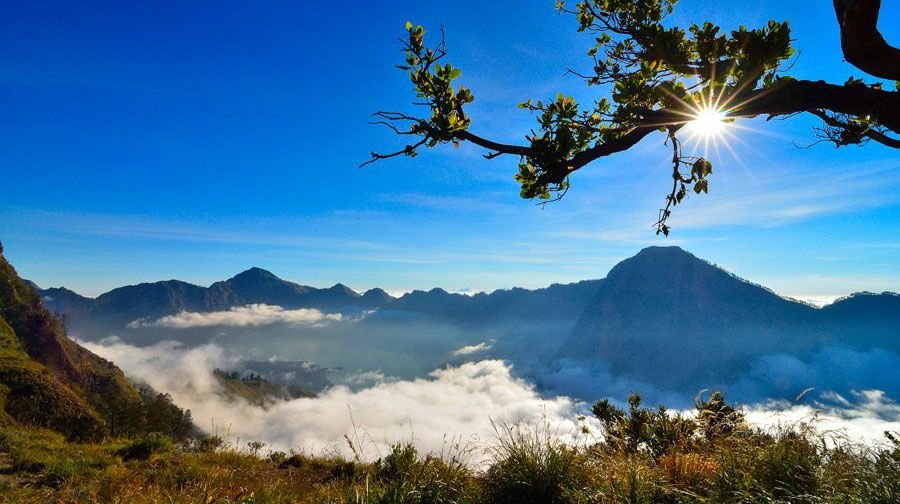
Mount Rinjani, standing tall at 3,726 meters on the island of Lombok, is Indonesia’s second-highest volcano and one of Southeast Asia’s most breathtaking natural wonders. Opting for Mount Rinjani guided treks is not just a popular option for conquerors of this sacred peak it is the safest, most comfortable, and most responsible way to experience the mountain.
Navigating the steep slopes, loose volcanic ash, and shifting weather conditions of an active volcano requires professional logistics and local expertise. A safe Rinjani trek relies heavily on licensed local guides and experienced porters who know the terrain intimately. Whether you are aiming for a quick 2-day push or planning a full 4-day excursion down to the turquoise waters of Segara Anak crater lake, booking professional Mount Rinjani guided treks ensures your safety, comfort, and environmental protection throughout the entire journey.
Under Mount Rinjani National Park (TNGR) regulations, all non-local and international hikers are legally required to join registered Mount Rinjani guided treks. Beyond official rules, securing top-rated Mount Rinjani guided treks with a dedicated local crew is essential for several critical reasons:
Navigational Safety & Route Planning: The mountain trails feature steep drops, unpredictable fog, and loose volcanic scree near the summit. Guides leading Mount Rinjani guided treks assess real-time weather and adjust walking paces accordingly.
Emergency Response: Certified guides on Mount Rinjani guided treks are trained in mountain first aid, altitude sickness management, and emergency evacuation protocols.
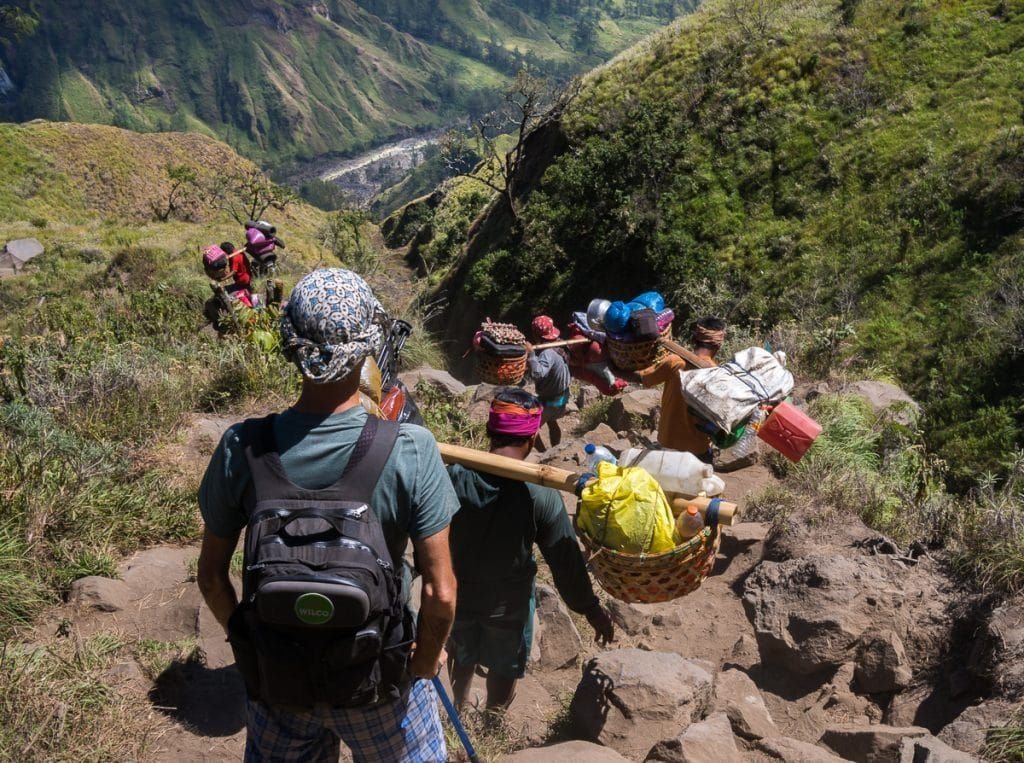
Logistic Support: Experienced porters on these Mount Rinjani guided treks handle heavy camping gear, tents, cooking supplies, and water, allowing you to hike Mount Rinjani safely carrying only a light daypack.
Environmental Responsibility: Eco-friendly Mount Rinjani guided treks strictly enforce “Leave No Trace” policies, packing down all plastic waste to preserve the sacred volcanic environment.
To help you choose the ideal itinerary based on your physical fitness and timeline, here is an overview of the main packages available for Mount Rinjani guided treks:
Each route offers a unique landscape and challenge. Depending on your goals, licensed team leaders on Mount Rinjani guided treks will help you select the safest path:
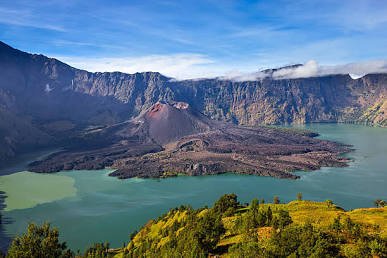
1. Senaru Crater Rim (2 Days / 1 Night): Ideal for beginners or trekkers with limited time. You start from Senaru village (~600m) and hike through lush tropical rainforests before arriving at the Senaru Crater Rim (2,641m). This option does not go to the 3,726m peak, making it a lower-risk option while still offering panoramic views of Segara Anak Lake and Mount Barujari.
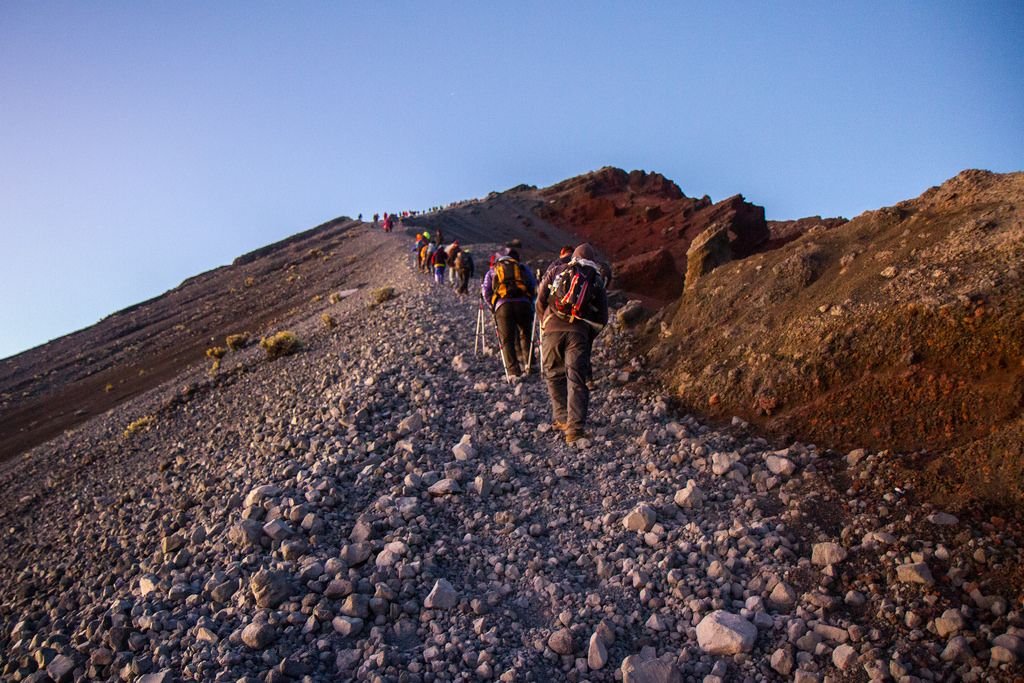
2. Sembalun Summit Push (2 Days / 1 Night): Designed for fit hikers who want to conquer the 3,726m summit directly. Starting at Sembalun village (~1,100m), you cross open grasslands before camping at Sembalun Crater Rim (2,639m). At 2:00 AM, you undertake the final steep ascent over loose gravel and volcanic ash to reach the summit for sunrise.
3. Full Summit & Segara Anak Lake Loop (3D/2N or 4D/3N): The ultimate mountain adventure. Combining both Sembalun and Senaru trails, this route takes you to the summit, descends down into the crater to camp beside Segara Anak Lake, allows relaxation in natural hot springs, and finishes through the scenic forests or valley trails. Joining Mount Rinjani guided treks for this multi-day loop ensures proper pace management, nourishing hot meals, and camping comfort inside the crater.
Begin training at least 6–8 weeks before your climb. Focus on cardiovascular endurance and leg strength using incline stair climbers, squats, and extended hikes carrying a daypack to ensure you are fully prepared for Mount Rinjani guided treks.
Carrying the right personal gear is essential for your safety and comfort on high-altitude volcanic terrain. While our porters carry the heavy camping equipment and food supplies, you should pack the following essentials in your daypack:
Footwear: Broken-in waterproof hiking boots paired with thick wool trekking socks. Proper footwear provides essential ankle support and grip on loose volcanic scree during steep ascents and descents.
Thermal Protection: Layering is critical. Bring a thermal base layer, a warm fleece jacket, a windproof and waterproof outer shell, high-altitude gloves, and a beanie to protect against freezing summit temperatures that often drop near 0°C.
Night Navigation Gear: A high-lumen headlamp with extra batteries is non-negotiable for the 2:00 AM nocturnal summit attack through pitch-black terrain.
Support Gear: Lightweight dual trekking poles drastically reduce knee strain during steep descents, while a 25L–30L daypack holds your daily hydration, camera, and extra warm layers.
Even with professional support on Mount Rinjani guided treks, understanding high-altitude environmental factors will help ensure your personal safety and comfort throughout the trip:
Acclimatization & Hydration: Mount Rinjani reaches 3,726 meters above sea level. Dehydration accelerates symptoms of Acute Mountain Sickness (AMS). Drink plenty of water provided by your porters at every resting point, and avoid rushing your pace.
Understanding Microclimates: Weather on the mountain changes rapidly. Sunny conditions in the morning can turn into dense fog, strong wind gusts, or heavy downpours by early afternoon. Wearing modular clothing layers lets you adapt instantly to sudden weather shifts.
Navigating Loose Scree Safely: The final summit ridge consists of soft volcanic gravel (scree). For every two steps forward, you may slide one step back. Lean slightly forward, plant your trekking poles securely, and follow the exact footsteps of your lead guide on Mount Rinjani guided treks.
Scaling an active volcano is an incredible milestone, but your safety always comes first. With experienced guides, full camping equipment, and fresh meals prepared along the trail, you can focus entirely on reaching the peak and enjoying the breathtaking crater views.
Start planning your summit adventure today! Secure your official national park permits and expert guide team through Rinjani Trekking.