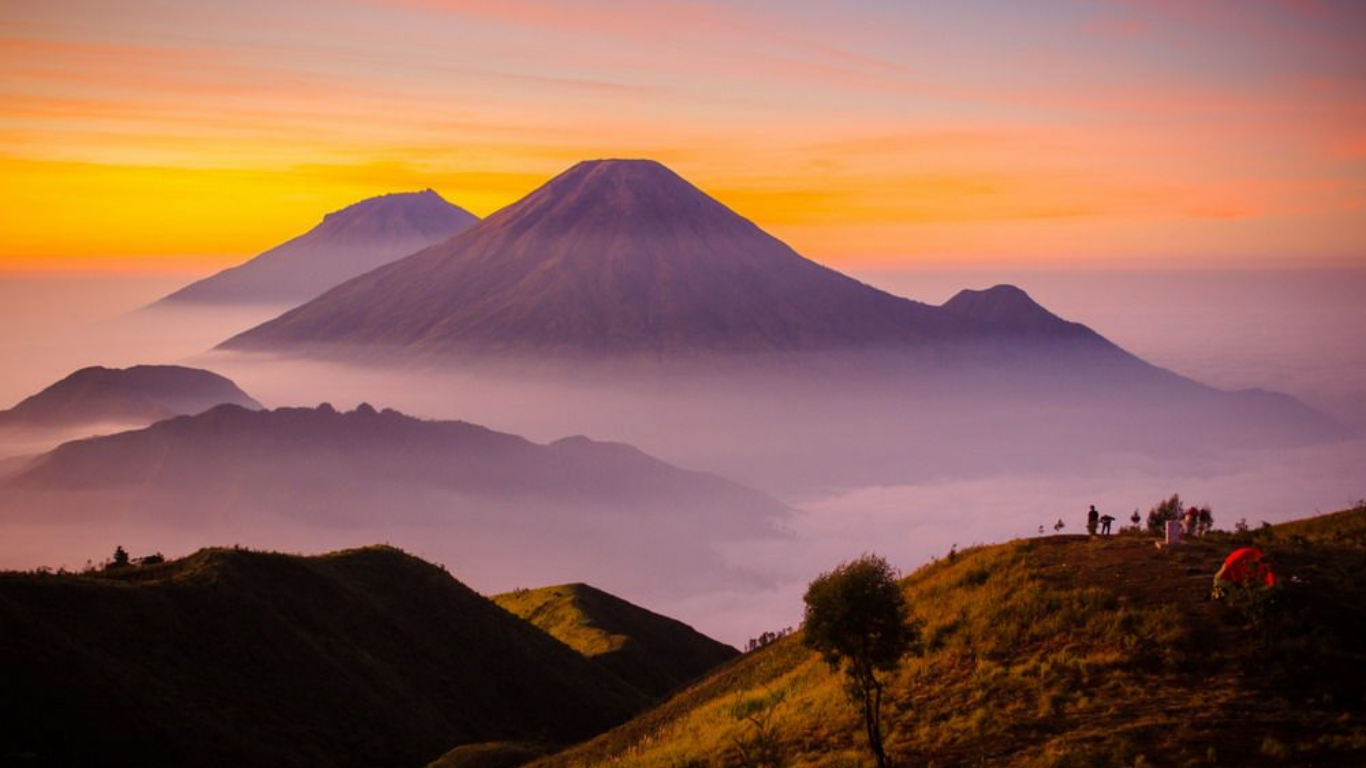
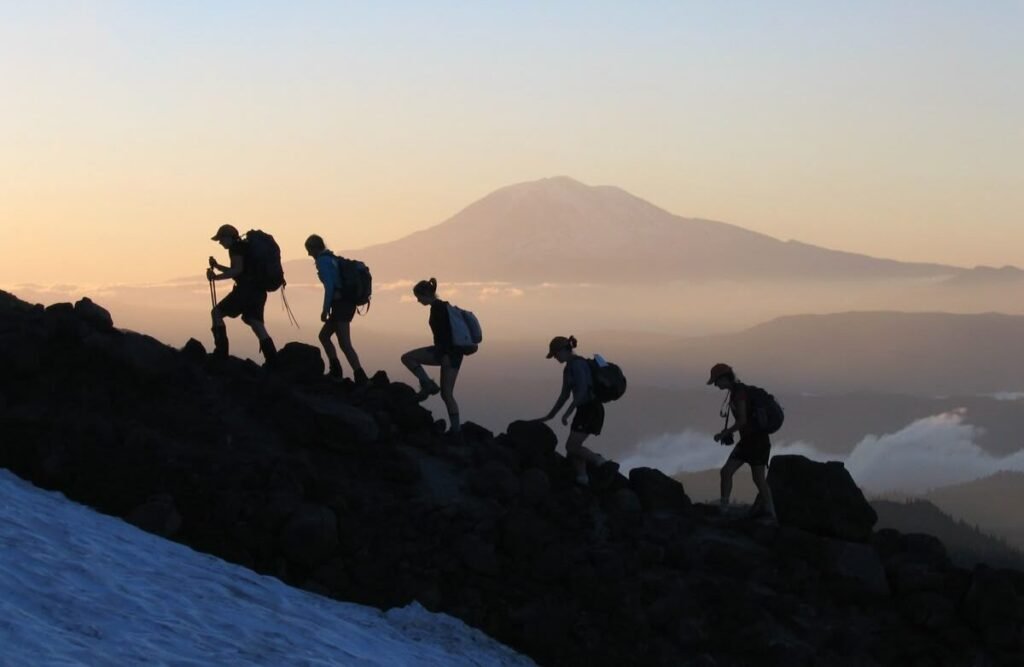
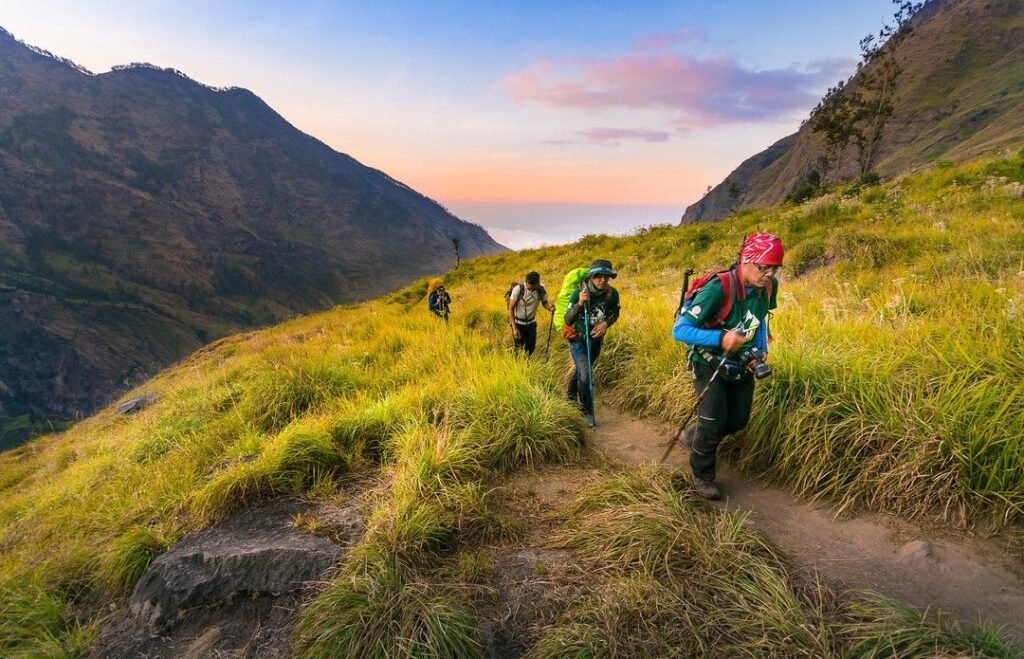
Mount Rinjani, standing tall at 3,726 meters on the island of Lombok, is Indonesia’s second-highest volcano. It offers one of the most rewarding and visual trekking experiences in Southeast Asia. Whether you are aiming for the absolute summit or looking for a scenic loop around the volcanic crater, choosing the right route is crucial to matching your fitness level and time constraints.
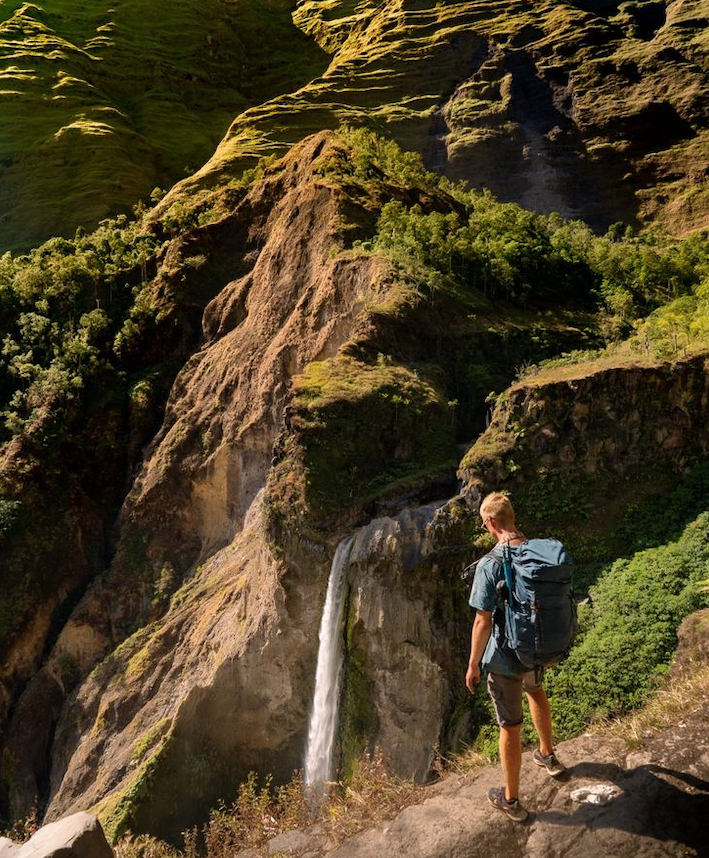
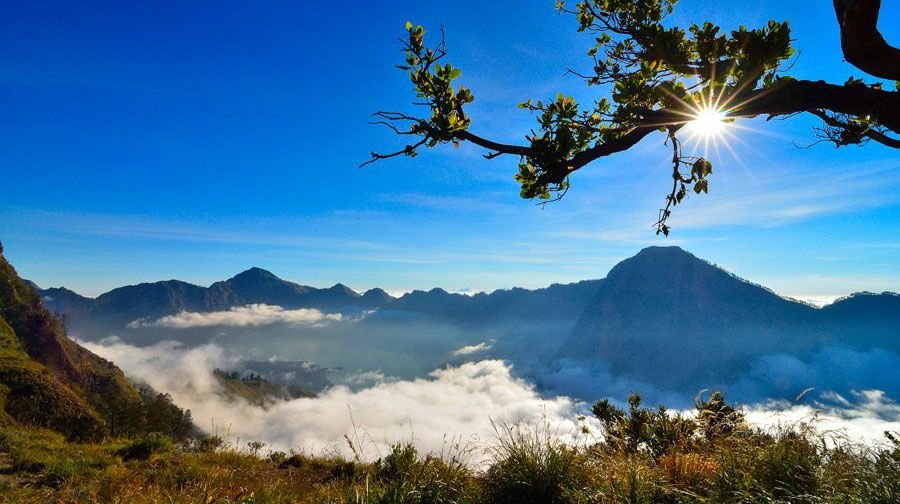
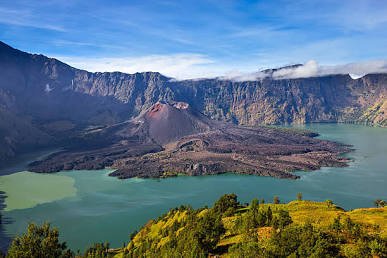
Navigating the slopes of this massive active volcano requires careful planning, as the various Mount Rinjani trekking routes present completely unique landscapes and physical challenges. From the sun-drenched rolling savannas of Sembalun to the dense, tropical rainforest canopies of Senaru, every path leads hikers through dramatically shifting ecosystems. Along the way, trekkers are treated to sweeping views of neighboring islands, dramatic ridge lines, and the breathtaking turquoise waters of the Segara Anak crater lake a massive caldera cradling its own active inner peak, Mount Barujari.
Selecting the appropriate itinerary not only dictates the scenery you will encounter, but also determines your campsite locations, daily elevation gain, and overall safety on the mountain. Whether you have two days for a rapid Rinjani summit trek or four days to fully immerse yourself in the lake’s geothermal hot springs, understanding the nuances of these primary Mount Rinjani hiking trails will ensure a safe, memorable, and deeply fulfilling mountain expedition.
Most adventurers access the volcano via two primary entry points managed by the Mount Rinjani National Park authority. Deciding between these two main Mount Rinjani hiking trails sets the tone for your entire journey.
| Route Feature | Sembalun Route | Senaru Route |
|---|---|---|
| Primary Focus | Direct Rinjani summit trek | Segara Anak crater lake & forest views |
| Starting Elevation | ~1,100 meters | ~600 meters |
| Terrain Profile | Open savannas, exposed ridge lines | Dense jungle canopy, shady forest paths |
| Physical Difficulty | High (steeper elevation, harsh sun) | Moderate to High (gradual continuous incline) |
| Final Vista | Sembalun Crater Rim & 3,726m Peak | Senaru Crater Rim overlooking the lake |
The Route Experience: If you want to sample all the main Mount Rinjani hiking trails in a single trip, the full traverse (entering via Sembalun and exiting via Senaru, or vice versa) is the gold standard.
Exploring the Caldera: After tackling the Rinjani summit trek, you descend thousands of meters into the heart of the caldera to camp directly beside the Segara Anak crater lake.
Caldera Highlights:
Natural Hot Springs (Aik Kalak): Located just a short walk from the Segara Anak crater lake shoreline, these thermal waters provide natural recovery for exhausted muscles.
Mount Barujari Views: Up-close perspectives of the active “baby volcano” rising directly out of the lake’s center.
Operating Season: The national park opens all Mount Rinjani trekking routes from April to December. The entire park strictly closes annually from January through March for ecosystem restoration and safety during the peak monsoon season.
Daily Visitor Quotas: Strict quotas are enforced to limit environmental impact. Booking e-tickets weeks in advance through a licensed tour operator is mandatory.
Mandatory Guides & Porters: All international and non-local hikers on any Mount Rinjani hiking trails are legally required to trek with licensed guides and porters. Porters carry the main camping gear, water, and food supplies, leaving you with a lightweight daypack.
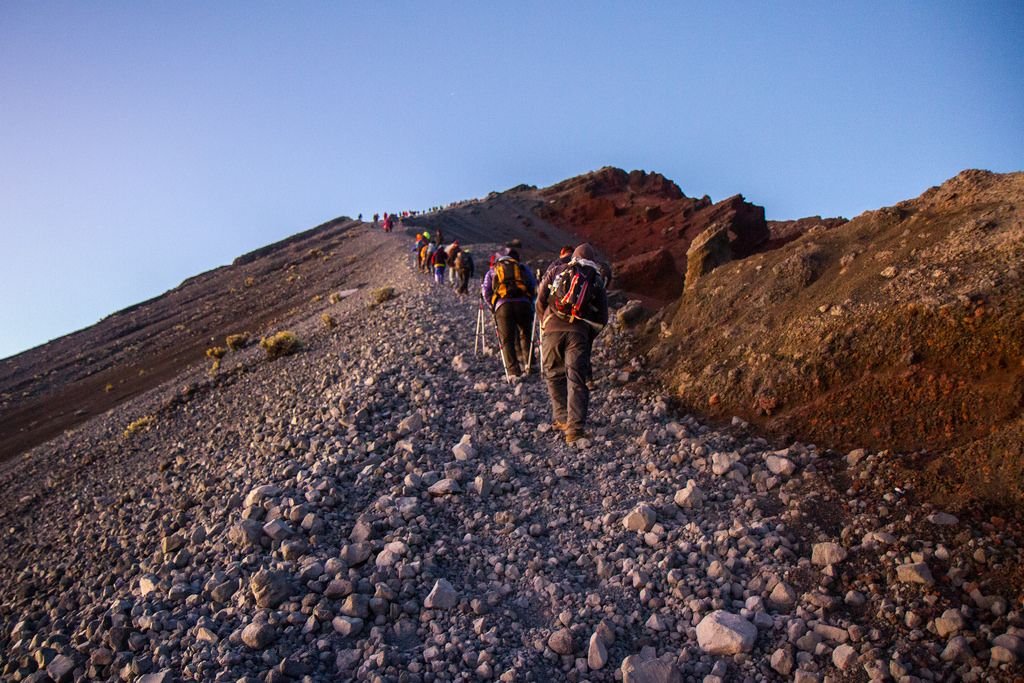
Cardiovascular Conditioning: Preparing for a high-intensity Rinjani summit trek requires 2–3 months of leg and core training, focusing on incline stair climbs, squat endurance, and long distance hikes.
Handling Altitude: Reaching 3,726 meters increases the risk of Mild Altitude Sickness. Pacing yourself (jalan santai), staying hydrated with a minimum of 3 liters of water per day, and taking consistent breaks are critical.
| Category | Must-Have Gear Items | Why It Matters |
|---|---|---|
| Footwear | Broken-in waterproof hiking boots + thick wool socks | Prevents severe blisters and protects ankles on loose volcanic scree. |
| Cold Layers | Thermal base layer, fleece jacket, windproof outer shell, gloves, beanie | Summit night temperatures frequently drop near freezing (0°C) with biting winds. |
| Lighting | Powerful headlamp (min. 200 lumens) + spare batteries/power bank | Essential for nocturnal navigation during the 2:00 AM Rinjani summit trek. |
| Trekking Equipment | Dual lightweight trekking poles, 25L–35L daypack | Reduces knee strain by up to 25% on long, steep descents toward Segara Anak crater lake. |
| Protection & Hygiene | High-SPF sunscreen, polarized sunglasses, trash bags, wet wipes | Intense UV exposure on open Mount Rinjani trekking routes; enforces Leave No Trace policies. |
Planning your expedition through these epic Mount Rinjani trekking routes can feel overwhelming, but you don’t have to do it alone. Partnering with experienced, licensed local guides and trusted porters ensures a safe, well-organized, and memorable journey to the top of Lombok.
Whether you want to challenge yourself with a fast-paced Rinjani summit trek or take your time exploring the hot springs at Segara Anak crater lake, we have fully customizable, eco-conscious packages tailored to your schedule and fitness level.
👉 Ready to start your adventure? Book your official permit and tailored packages directly with Majestic Rinjani today!