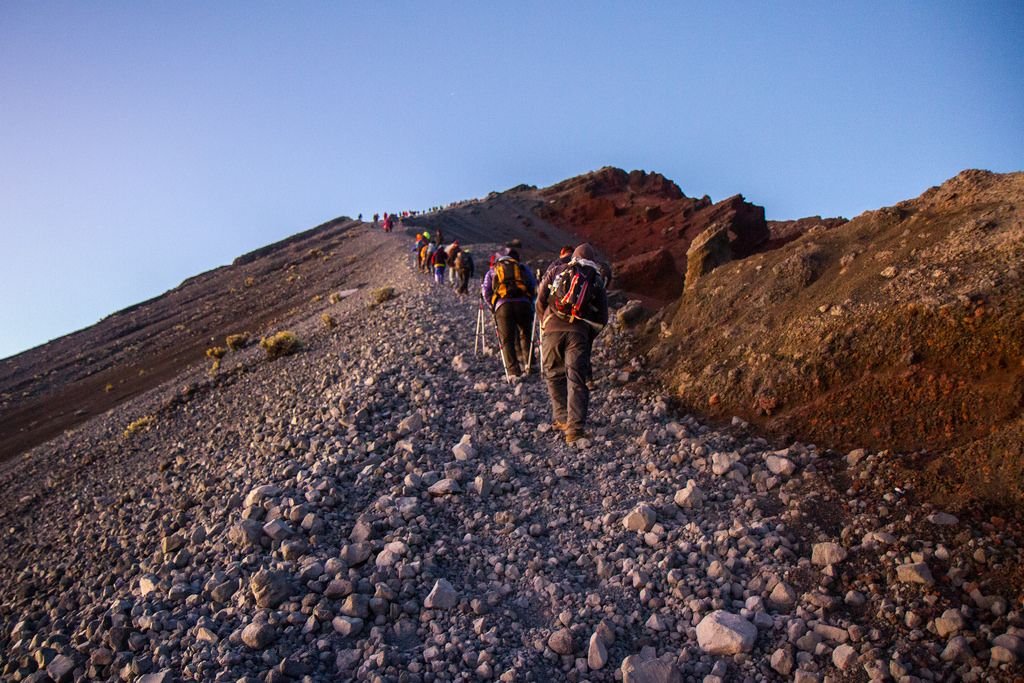
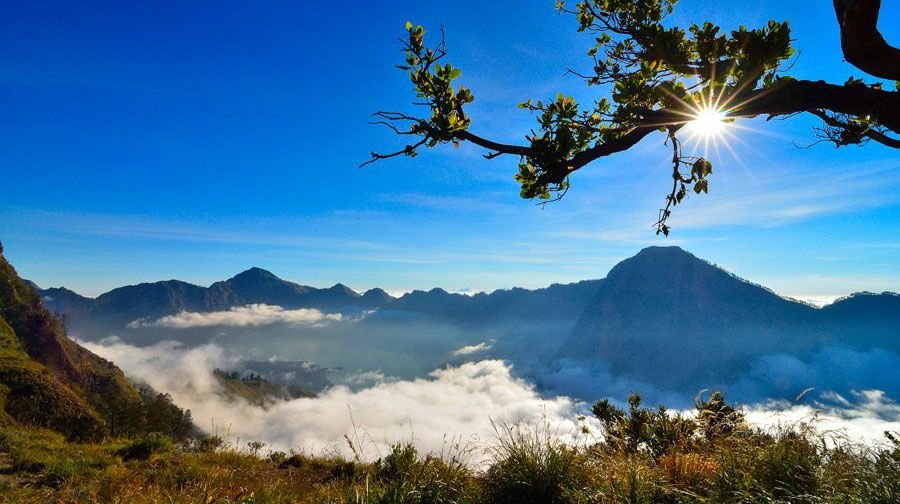
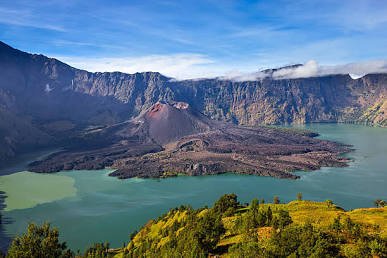
Mount Rinjani, reaching an elevation of 3,726 meters on Lombok Island, stands as one of Southeast Asia’s ultimate high-altitude challenges. Deciding on the best time to hike Mount Rinjani is essential for anyone seeking a safe, rewarding, and scenic adventure up Indonesia’s second-highest volcano.
Understanding the Rinjani trekking season helps you choose the perfect window for panoramic views, manageable trail conditions, and clear weather. Whether your goal is catching the sunrise from the 3,726-meter summit or camping alongside Segara Anak Crater Lake, checking the best month to climb Rinjani is a crucial first step. In this complete Mount Rinjani weather guide, we examine seasonal patterns, temperature swings, and official national park closure dates to ensure you pick the best time to hike Mount Rinjani for your upcoming trek.
1. Overview of Mount Rinjani Seasons
Lombok experiences a tropical climate divided into two main weather windows. Selecting the best time to hike Mount Rinjani requires understanding how these atmospheric changes impact trail safety and visibility.
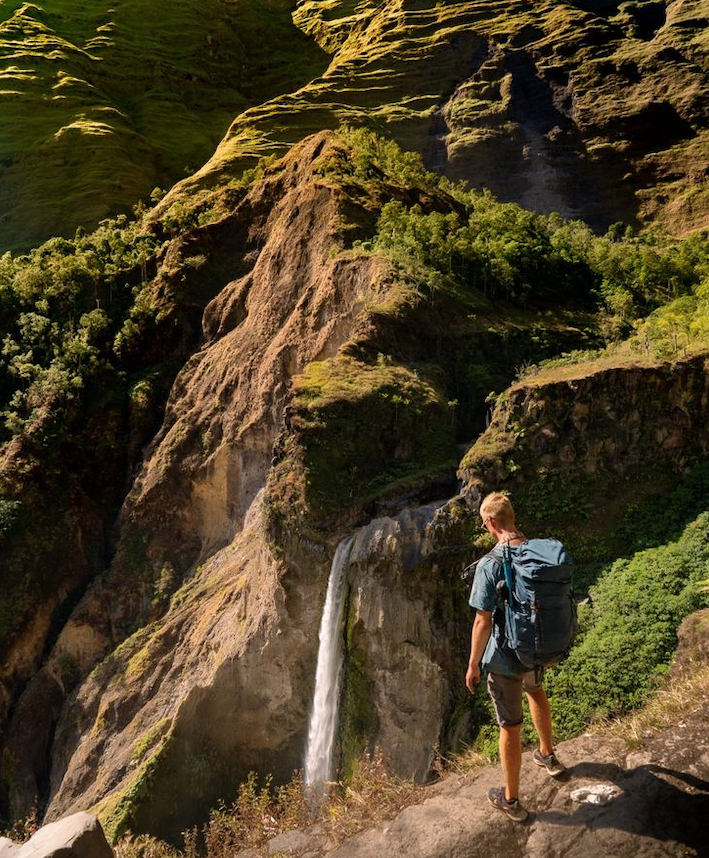
Dry Season (April to October): This period represents the official Rinjani trekking season and is widely regarded as the best time to hike Mount Rinjani. Rainfall is low, trails are firm, and sky visibility remains exceptional.
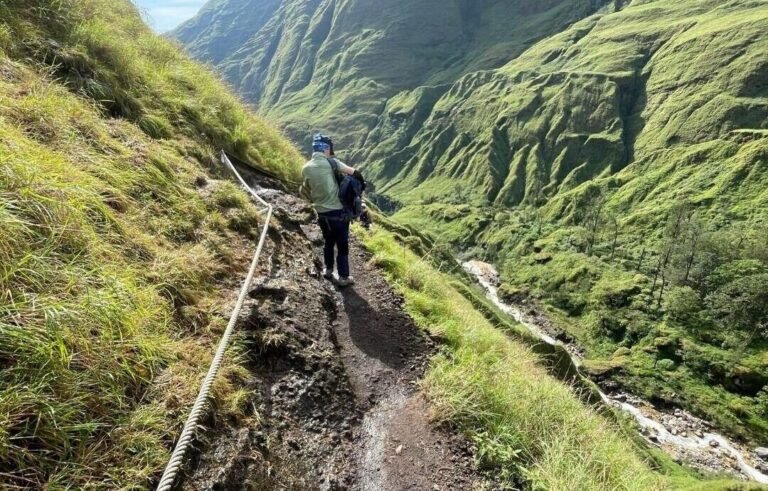
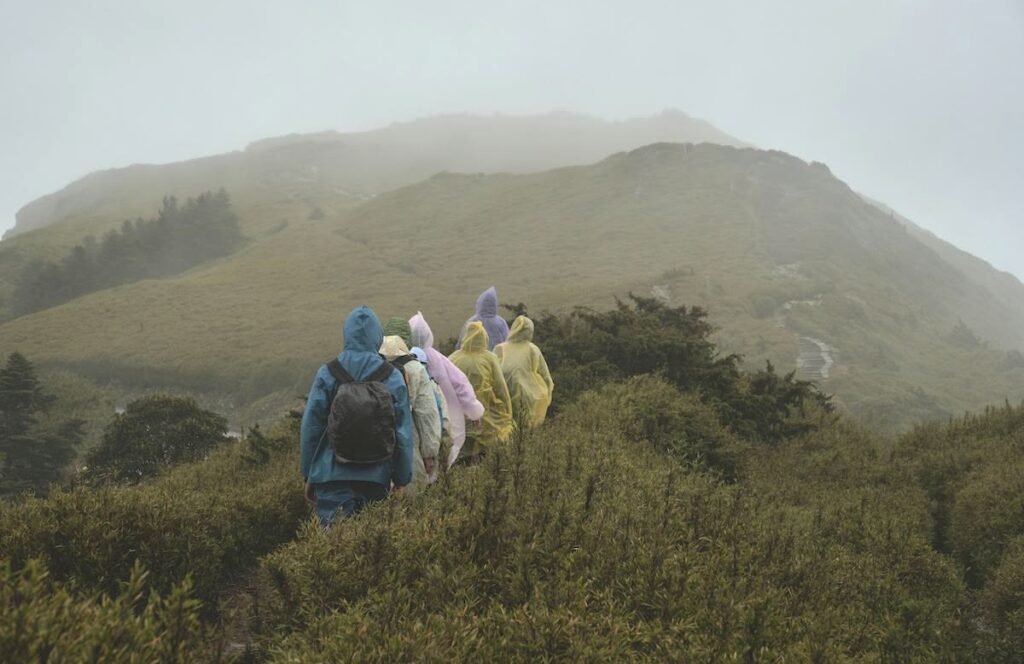
Rainy Season (November to March): Characterized by high humidity, sudden tropical downpours, strong ridge winds, and dense fog. Trails become slippery, increasing physical hazards on steep scree sections.
National Park Annual Closure: Mount Rinjani National Park (TNGR) enforces an official closure from January 1st to March 31st every year. This annual shutdown allows for ecosystem recovery and protects hikers from extreme monsoon conditions.
2. Monthly Guide: Finding the Best Month to Climb Rinjani
Detailed Breakdown of the Trekking Months
1. April to May: The Post-Closure Shoulder Season
Lombok experiences a tropical climate divided into two main weather windows. Selecting the best time to hike Mount Rinjani requires understanding how these atmospheric changes impact trail safety and visibility.
Dry Season (April to October): This period represents the official Rinjani trekking season and is widely regarded as the best time to hike Mount Rinjani. Rainfall is low, trails are firm, and sky visibility remains exceptional.
Rainy Season (November to March): Characterized by high humidity, sudden tropical downpours, strong ridge winds, and dense fog. Trails become slippery, increasing physical hazards on steep scree sections.
National Park Annual Closure: Mount Rinjani National Park (TNGR) enforces an official closure from January 1st to March 31st every year. This annual shutdown allows for ecosystem recovery and protects hikers from extreme monsoon conditions.
2. June to August: The Peak Dry Season Window
Mid-year serves as the prime Rinjani trekking season. With rainfall reaching zero and stability at its highest, these months represent the best time to hike Mount Rinjani for dry trail safety. However, keep two critical factors in mind:
High Visitor Density: Campsites on both Sembalun and Senaru Crater Rims reach daily maximum capacity limits quickly.
Freezing Summit Temperatures: Nighttime temperatures near the peak can plummet to 0°C (32°F) or below, requiring proper cold-weather gear.
3. September to October: The Late Dry Season Option
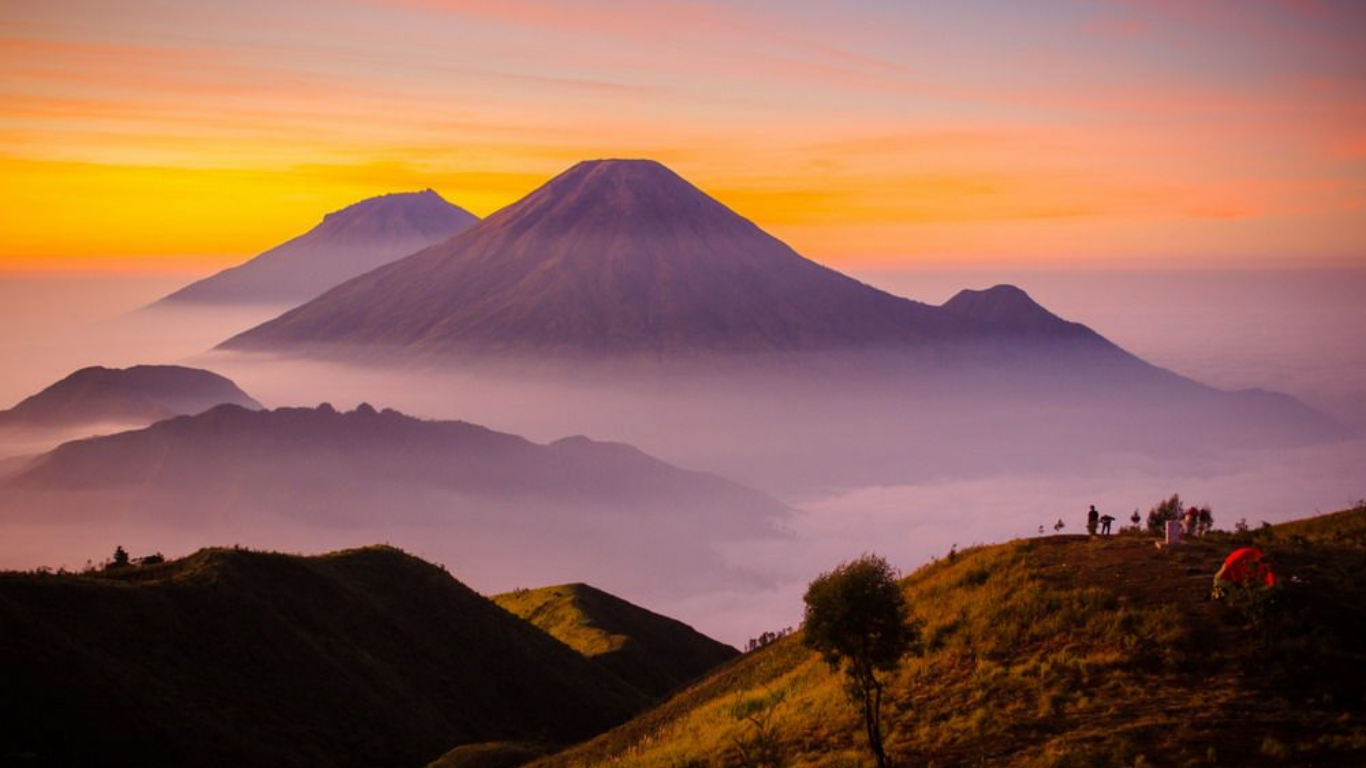
If you are looking for clear weather without peak summer crowds, early autumn offers another ideal window for the best time to hike Mount Rinjani. As the landscape shifts to golden savannas, trails become dry and dusty, but sunrise clarity from the 3,726m summit remains exceptional.
4. November to December: Early Monsoon Conditions
Rainfall increases significantly during November and December. Although the park remains open, consult a comprehensive Mount Rinjani weather guide before booking. Trails become slippery, cloud cover can block crater vistas, and severe winds can disrupt summit attempts.
3. Preparing for Rinjani Weather & Temperature Swings
Equipping yourself correctly is just as crucial as selecting the best time to hike Mount Rinjani. Daytime heat in open savanna zones quickly converts to freezing temperatures on exposed volcanic ridges.
Plan Your Rinjani Expedition with Confidence
From clear sunrise vistas at the 3,726m peak to starry camping nights at Segara Anak Lake, choosing the dry season sets you up for the ultimate mountain experience. Leave the complex trip logistics and safety measures to certified local professionals.
Ready to experience Mount Rinjani at its absolute best? Check live trek availability and reserve your guided slots through Rinjani Trekking now!