
Mount Rinjani is one of Indonesia’s most remarkable trekking destinations, rising 3,726 meters above sea level on Lombok Island. As the second-highest volcano in Indonesia, Rinjani offers a rare combination of dramatic volcanic landscapes, ecological diversity, and cultural significance. For many trekkers, the journey to Mount Rinjani is not just a physical challenge, but a deeply immersive experience shaped by nature, endurance, and local tradition.
This comprehensive guide explores Mount Rinjani trekking from multiple perspectives trail routes, terrain difficulty, preparation essentials, seasonal conditions, and what trekkers can realistically expect on the mountain. Whether you are planning your first high-altitude hike or looking to understand Rinjani in greater depth, this article provides a clear and practical overview.
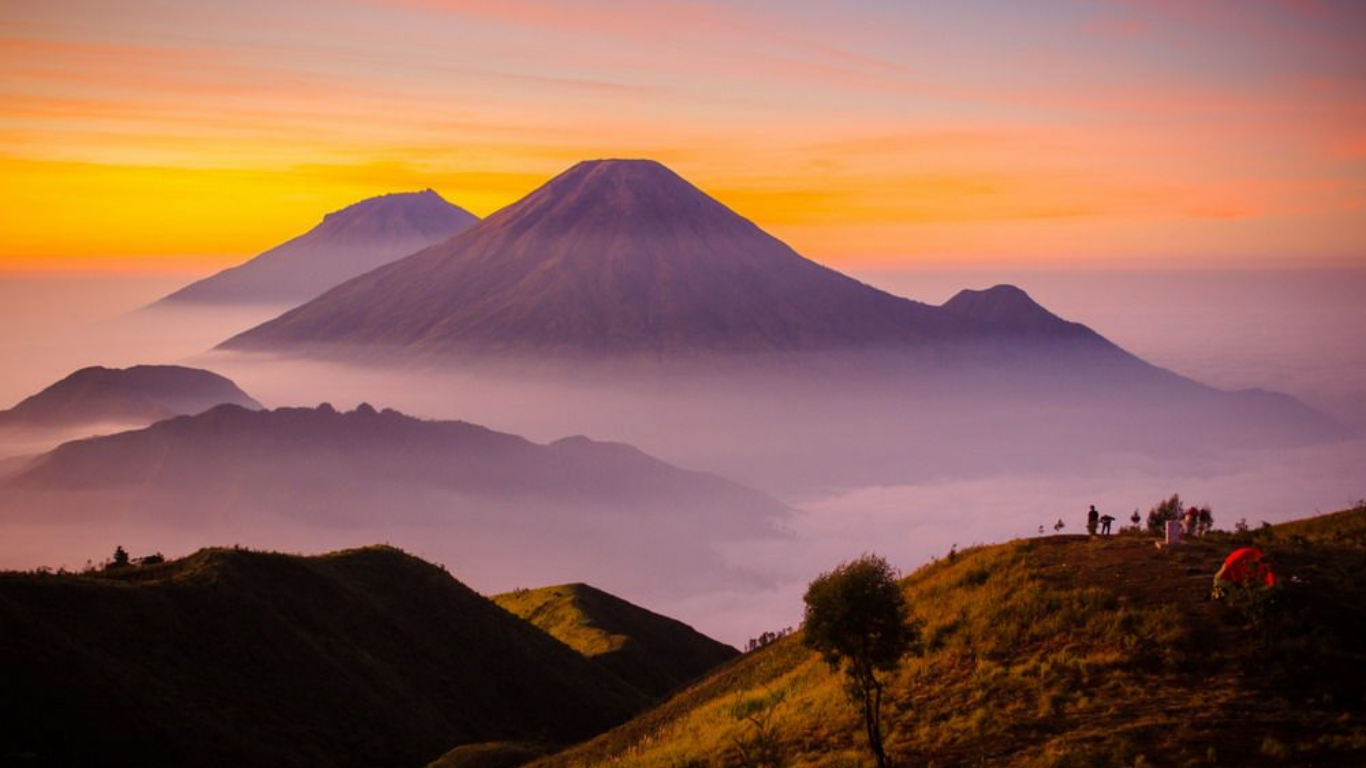
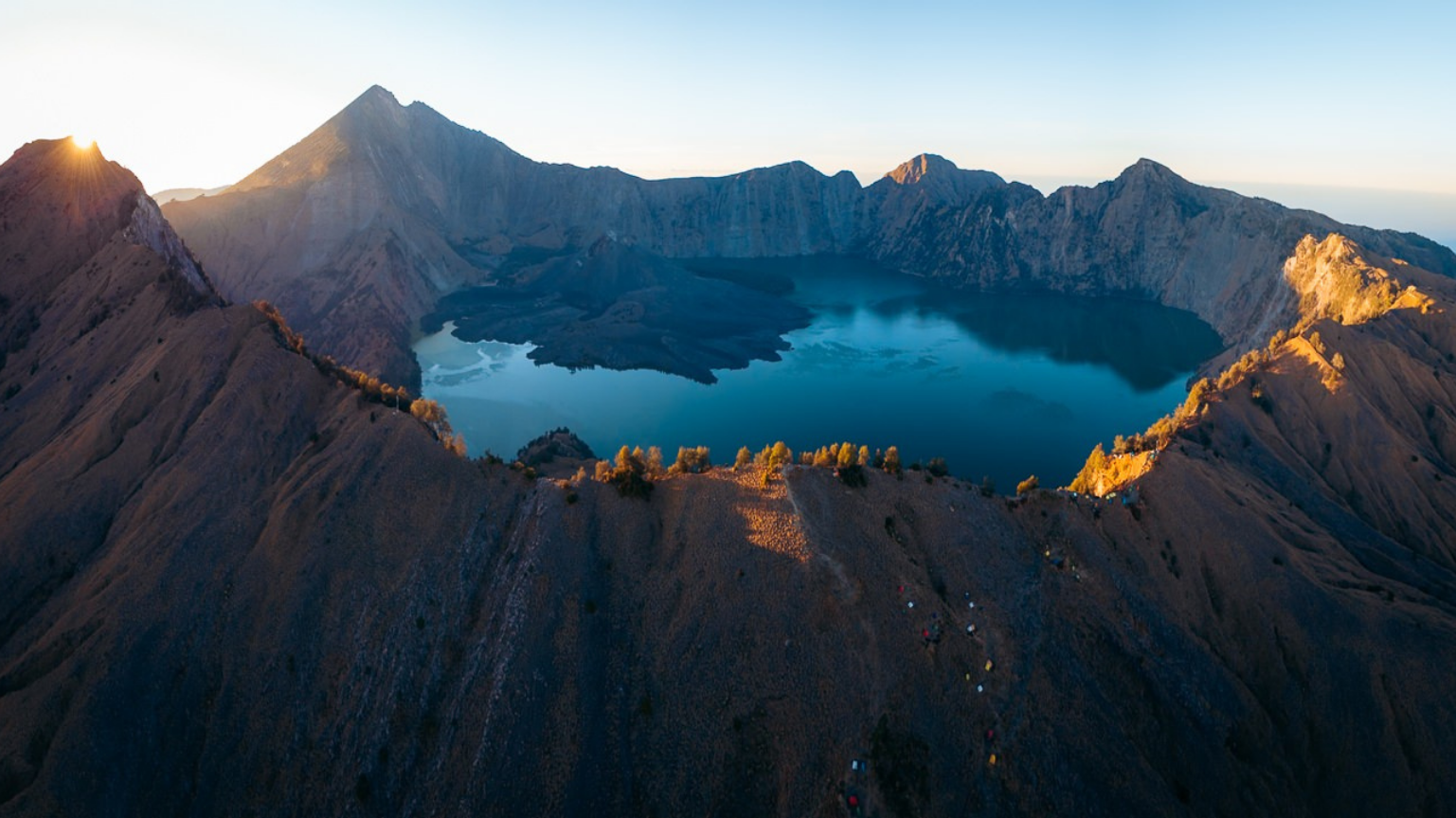
Mount Rinjani is not merely a steep climb; it is a layered adventure that encompasses forests, savannahs, volcanic ridges, and a sacred crater lake known as Segara Anak. The mountain’s varied ecosystems support rich biodiversity, and on clear mornings, panoramic views stretch over neighboring islands such as Bali and Sumbawa.
For many, trekking Rinjani is transformative it tests physical stamina, mental resilience, and invites reflection in one of Indonesia’s most spectacular natural environments.
There are several established routes for trekking Rinjani, each with distinct features and challenges:
The Senaru Route approaches through dense tropical forests and offers shaded trekking paths that gradually ascend toward the crater rim. This route is well suited for hikers who appreciate rich vegetation and want a gradual introduction to higher elevations.
The Sembalun Route is known for its open savannah stretches and is the most popular path for those attempting the summit. The final ascent to the summit can be steep and strenuous, especially in the early morning hours, but the sunrise views are widely considered among the most breathtaking in Indonesia.
Some trekkers choose to ascend via Sembalun and descend via Senaru to experience a broader variety of landscapes. This combined approach offers both open highland terrain and lush forest, providing a more complete perspective of Rinjani’s ecological diversity.
If you want step-by-step guidance on these routes and recommended itineraries, consider exploring the Rinjani trekking itinerary options for different experience levels.
The duration of a trek on Rinjani varies depending on the route and goals:
2 Days / 1 Night: A shorter option focused on reaching key viewpoints without attempting the summit.
3 Days / 2 Nights: The classic itinerary for summit attempts and Segara Anak exploration.
4 Days / 3 Nights: A more relaxed pace that allows time to rest, enjoy the crater lake, and soak in natural hot springs.
The classic 3-day trek remains the most popular choice for first-timers seeking a full Rinjani experience without feeling rushed.
You can find detailed daily breakdowns and practical info in the Rinjani trekking packages overview, which outlines different durations and what each includes.
Trekking Rinjani demands both physical fitness and mental readiness. Elevation changes, sandy slopes, and early-morning summit pushes require strong stamina and careful pacing. Experienced hikers recommend:
Cardiovascular training such as running or cycling
Strength training for legs and core
Practice hikes with loaded backpacks
Mental resilience is equally important — particularly for the final push before sunrise, when temperatures drop and the trail becomes more demanding.
Tropical forest (lower elevations) with humidity and shade
Savannah and open ridges with heat and wind exposure
Steep sandy slopes toward the summit
Rocky and uneven paths
Weather on Rinjani can shift rapidly. Clear mornings may turn into misty afternoons, so trekkers must be prepared for variable conditions.
A successful Rinjani trek depends on appropriate gear and supplies:
Waterproof backpack
Durable hiking boots with ankle support
Warm layers and windproof jacket
Headlamp for early summit start
Trekking poles for stability
Ample water and high-energy snacks
Basic first-aid kit
Proper gear reduces risk and ensures comfort throughout the journey.
Mount Rinjani is part of a protected national park, and visitors must respect its natural and cultural heritage. Important considerations include:
Stay on designated trails
Carry out all trash
Respect local customs and sacred sites
Follow guidelines set by park authorities
Responsible trekking helps preserve Rinjani for future generations of hikers.
The ideal season for trekking Rinjani is typically during the dry months, when trails are more stable and weather patterns are predictable. Heavy rains can make certain sections slippery and increase the difficulty of the ascent.
Before planning a trip, make sure to check seasonal forecasts and local trail conditions.
Safety should be a priority for all trekkers. Mount Rinjani’s high elevation and diverse terrain can pose risks such as altitude discomfort and fatigue. It’s advisable to:
Trek with a reliable guide
Monitor weather changes
Communicate plans with someone off-site
Pace yourself and stay hydrated
Understanding your limits and respecting the mountain environment are essential for a safe trekking experience.
Mount Rinjani remains a bucket-list destination for trekkers around the world for good reason: its dramatic landscapes, varied ecosystems, and the profound sense of accomplishment that comes with reaching its heights. Whether you are a seasoned hiker or embarking on your first major trek, Rinjani offers a journey that is challenging, rewarding, and deeply rooted in nature’s grandeur.
If you’re ready to explore specific trekking route options and logistics, you can review the comprehensive Rinjani trek planning resources available online (link this phrase to your packages page) to help you prepare for your adventure.

Mount Rinjani is one of Indonesia’s most remarkable trekking destinations, rising 3,726 meters above sea level on Lombok Island. As the second-highest volcano in Indonesia, Rinjani offers a rare combination of dramatic volcanic landscapes, ecological diversity, and cultural significance. For many trekkers, the journey to Mount Rinjani is not just a physical challenge, but a deeply immersive experience shaped by nature, endurance, and local tradition.
This comprehensive guide explores Mount Rinjani trekking from multiple perspectives trail routes, terrain difficulty, preparation essentials, seasonal conditions, and what trekkers can realistically expect on the mountain. Whether you are planning your first high-altitude hike or looking to understand Rinjani in greater depth, this article provides a clear and practical overview.
Mount Rinjani is not merely a steep climb; it is a layered adventure that encompasses forests, savannahs, volcanic ridges, and a sacred crater lake known as Segara Anak. The mountain’s varied ecosystems support rich biodiversity, and on clear mornings, panoramic views stretch over neighboring islands such as Bali and Sumbawa.
For many, trekking Rinjani is transformative it tests physical stamina, mental resilience, and invites reflection in one of Indonesia’s most spectacular natural environments.
There are several established routes for trekking Rinjani, each with distinct features and challenges:
The Senaru Route approaches through dense tropical forests and offers shaded trekking paths that gradually ascend toward the crater rim. This route is well suited for hikers who appreciate rich vegetation and want a gradual introduction to higher elevations.
The Sembalun Route is known for its open savannah stretches and is the most popular path for those attempting the summit. The final ascent to the summit can be steep and strenuous, especially in the early morning hours, but the sunrise views are widely considered among the most breathtaking in Indonesia.
Some trekkers choose to ascend via Sembalun and descend via Senaru to experience a broader variety of landscapes. This combined approach offers both open highland terrain and lush forest, providing a more complete perspective of Rinjani’s ecological diversity.
If you want step-by-step guidance on these routes and recommended itineraries, consider exploring the Rinjani trekking itinerary options for different experience levels.
The duration of a trek on Rinjani varies depending on the route and goals:
2 Days / 1 Night: A shorter option focused on reaching key viewpoints without attempting the summit.
3 Days / 2 Nights: The classic itinerary for summit attempts and Segara Anak exploration.
4 Days / 3 Nights: A more relaxed pace that allows time to rest, enjoy the crater lake, and soak in natural hot springs.
The classic 3-day trek remains the most popular choice for first-timers seeking a full Rinjani experience without feeling rushed.
You can find detailed daily breakdowns and practical info in the Rinjani trekking packages overview, which outlines different durations and what each includes.
Trekking Rinjani demands both physical fitness and mental readiness. Elevation changes, sandy slopes, and early-morning summit pushes require strong stamina and careful pacing. Experienced hikers recommend:
Cardiovascular training such as running or cycling
Strength training for legs and core
Practice hikes with loaded backpacks
Mental resilience is equally important — particularly for the final push before sunrise, when temperatures drop and the trail becomes more demanding.
Tropical forest (lower elevations) with humidity and shade
Savannah and open ridges with heat and wind exposure
Steep sandy slopes toward the summit
Rocky and uneven paths
Weather on Rinjani can shift rapidly. Clear mornings may turn into misty afternoons, so trekkers must be prepared for variable conditions.
A successful Rinjani trek depends on appropriate gear and supplies:
Waterproof backpack
Durable hiking boots with ankle support
Warm layers and windproof jacket
Headlamp for early summit start
Trekking poles for stability
Ample water and high-energy snacks
Basic first-aid kit
Proper gear reduces risk and ensures comfort throughout the journey.
Mount Rinjani is part of a protected national park, and visitors must respect its natural and cultural heritage. Important considerations include:
Stay on designated trails
Carry out all trash
Respect local customs and sacred sites
Follow guidelines set by park authorities
Responsible trekking helps preserve Rinjani for future generations of hikers.
The ideal season for trekking Rinjani is typically during the dry months, when trails are more stable and weather patterns are predictable. Heavy rains can make certain sections slippery and increase the difficulty of the ascent.
Before planning a trip, make sure to check seasonal forecasts and local trail conditions.
Safety should be a priority for all trekkers. Mount Rinjani’s high elevation and diverse terrain can pose risks such as altitude discomfort and fatigue. It’s advisable to:
Trek with a reliable guide
Monitor weather changes
Communicate plans with someone off-site
Pace yourself and stay hydrated
Understanding your limits and respecting the mountain environment are essential for a safe trekking experience.
Mount Rinjani remains a bucket-list destination for trekkers around the world for good reason: its dramatic landscapes, varied ecosystems, and the profound sense of accomplishment that comes with reaching its heights. Whether you are a seasoned hiker or embarking on your first major trek, Rinjani offers a journey that is challenging, rewarding, and deeply rooted in nature’s grandeur.
If you’re ready to explore specific trekking route options and logistics, you can review the comprehensive Rinjani trek planning resources available online (link this phrase to your packages page) to help you prepare for your adventure.